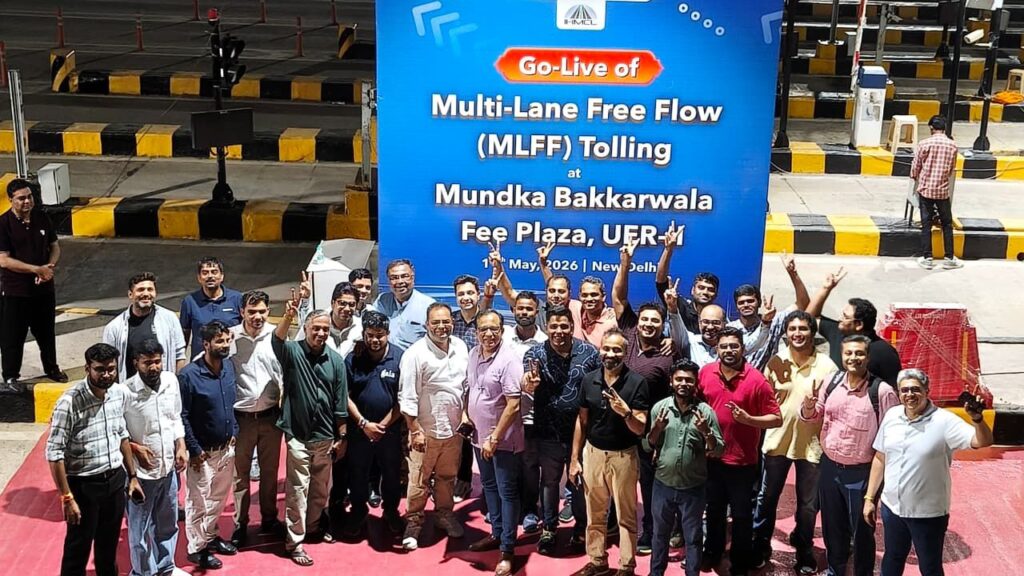

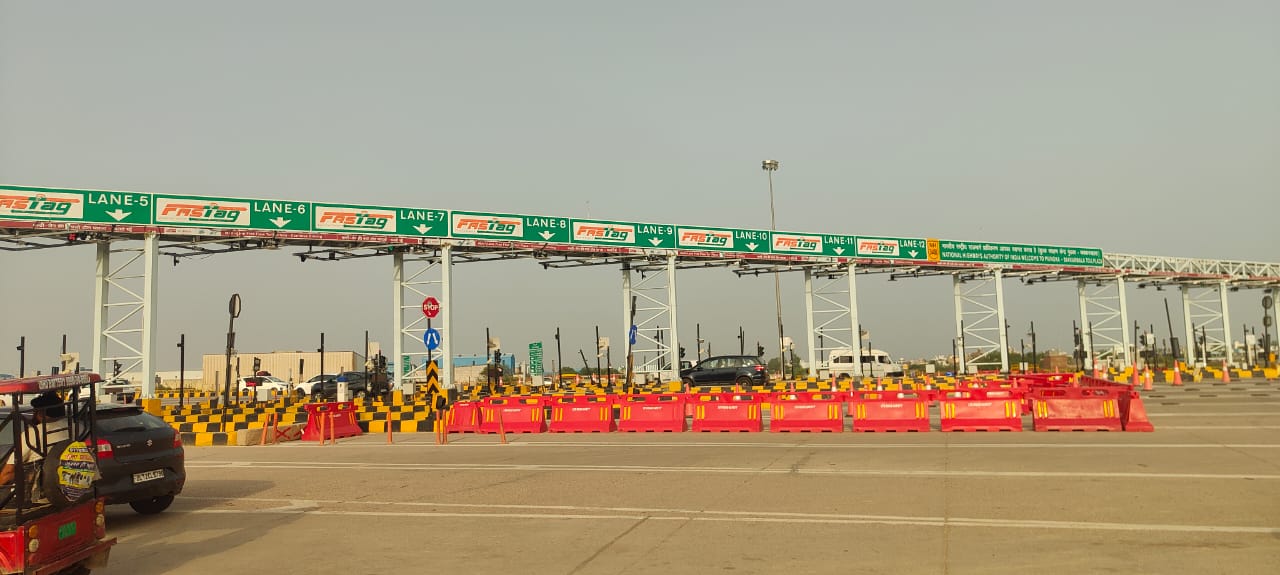

Founder and Managing Director Ansuman Singh, Superwave Communication and Infrasolution Limited (SCAIL) explains how the company has executed successive authority frameworks — from the 2021 ATMS guidelines on the Purvanchal Expressway, to the 2023 NHAI ATMS specifications on the Dwarka Expressway and now to a full MLFF deployment.
SCAIL’s MLFF deployment has been delivered on what the company describes as a 100% Made-in-India software platform, built in partnership with Bosch and IDFC and executed in compliance with stringent authority timelines. “The project marks a defining moment, not just for SCAIL but for India’s broader mobility ecosystem — a demonstration that critical digital infrastructure of this scale can be designed, owned and operated domestically.”
A sensor-fusion approach to tolling
At its core, the SCAIL system integrates four primary detection layers — LiDAR, radar, Automatic Number Plate Recognition (ANPR) and RFID — to detect, classify and identify vehicles in real time as they pass through a tolling corridor at highway speeds, with no requirement to slow or stop.
Each vehicle is captured and cross-validated across the multiple sensor layers, providing the redundancy needed for high-accuracy, barrier-free operation.
Validated transactions are then securely routed into the NPCI ecosystem for automated toll deduction. The multi-layered architecture is designed to address the two recurring challenges of free-flow tolling: accurate vehicle identification across mixed traffic and reliable end-to-end transaction integrity.
In-house ANPR as a foundational layer
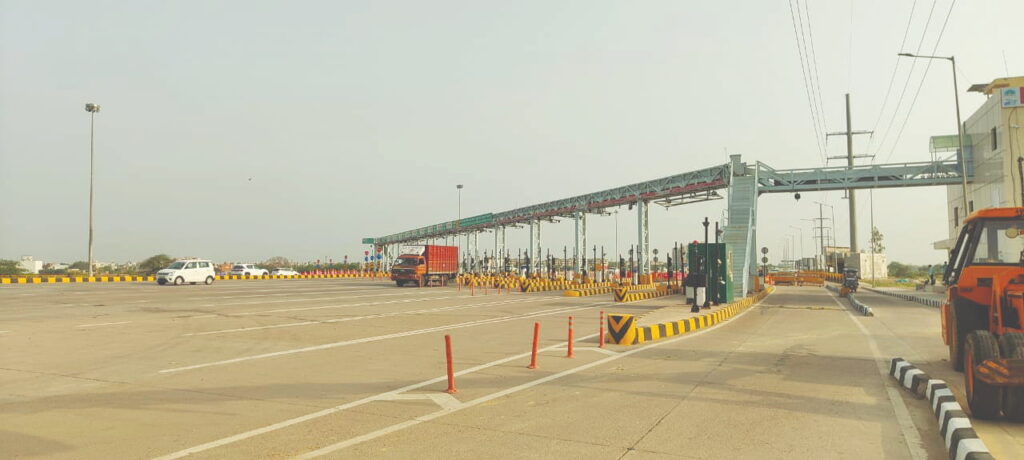
Within the MLFF stack, ANPR carries particular weight — it is the technology that ties physical detection to vehicle identity and, by extension, to enforcement and revenue assurance. SCAIL has developed its ANPR engine in-house and reports consistent recognition accuracy of 95-97%. The company sees the same engine as a building block for adjacent use cases, including smart-mobility deployments and safe-city programmes, where the cost of misreads is similarly high.
System outcomes
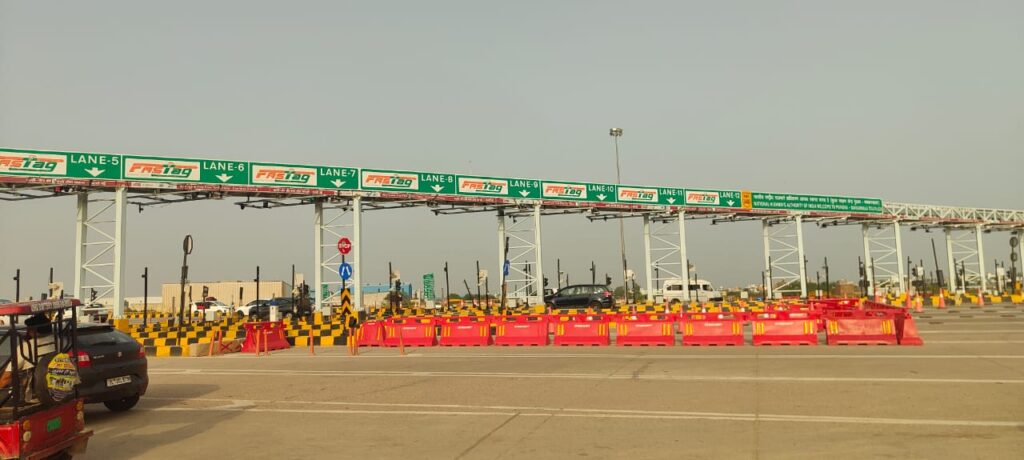
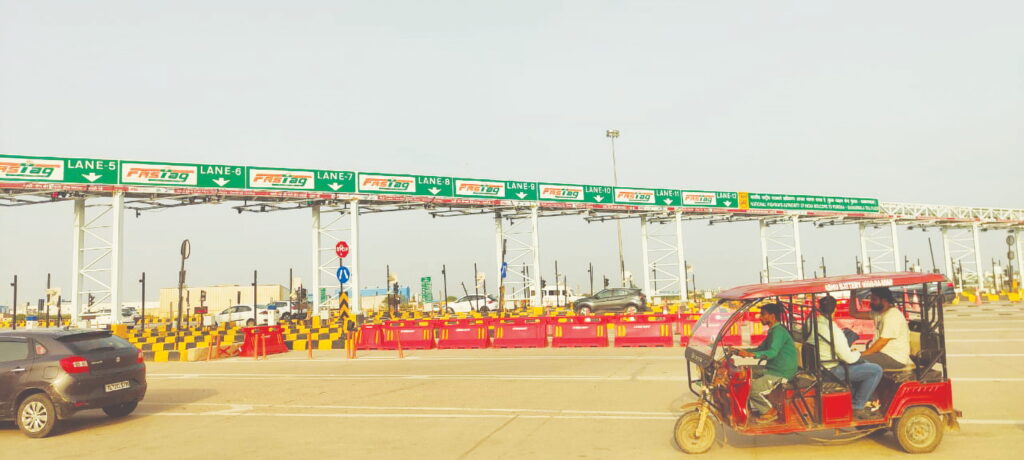
For tolling authorities, the platform is pitched on three benefits: higher revenue realisation through reduced leakage, lower operating costs by eliminating physical plaza infrastructure and real-time data streams that can feed monitoring and policy analytics.
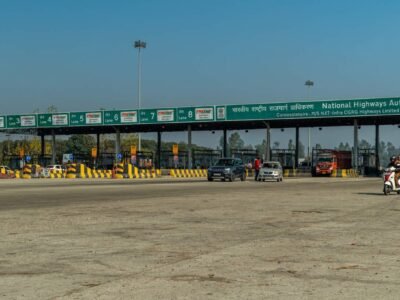
For road users, the absence of a stop-and-pay interaction translates into shorter journey times, lower fuel consumption and reduced congestion at points that have historically been bottlenecks on
Indian highways.
What’s next: V2V, V2X and adjacent infrastructure
SCAIL has signalled that its next technology focus is connected-vehicle infrastructure. A proof of concept for Vehicle-to-Vehicle (V2V) and Vehicle-to-Everything (V2X) communication is planned within the year, in partnership with Kapsch. The company is also exploring larger engagements in adjacent verticals, including ports, airports and cybersecurity.