
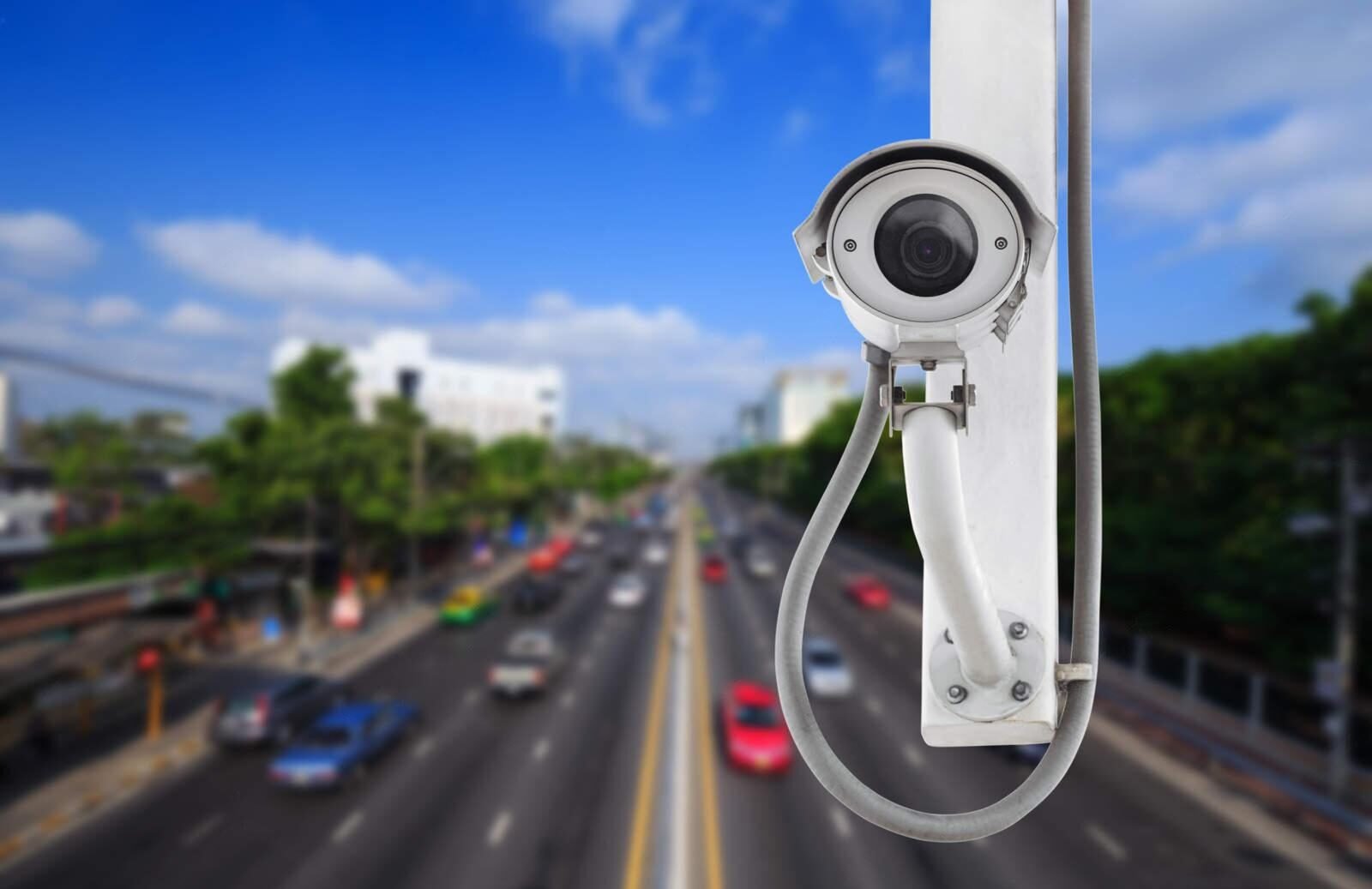
Pune is set to roll out an AI-based Intelligent Traffic Management System (ITMS) that will automate up to 99% of challans across nearly 500 locations, shifting enforcement toward a “certainty of punishment” model. The move targets congestion driven by 78 lakh vehicles and limited road capacity.
The city’s traffic stress is rooted in rapid, unplanned growth, outdated planning, and a strong dependence on private vehicles. Much of the existing infrastructure, including flyovers, was designed using limited or outdated data, limiting its long-term impact.
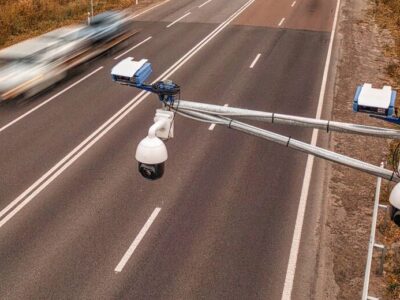
The system will rely on AI-enabled cameras and real-time data inputs from platforms like Google and TomTom.
The strategy blends short- and long-term interventions, focusing on improving road hierarchy, optimising 32 key corridors that carry the bulk of traffic, reducing signal density, removing encroachments, and increasing average speeds. In parallel, smaller interventions such as pothole repairs, improved road markings, and one-way conversions are expected to deliver immediate relief.