
VaaaN Infra Private Limited has engineered its Multi-Lane Free Flow solution around edge computing embedded within the gantry. ANPR cameras, RFID readers, LIDAR, and RADAR function as an integrated sensing stack. Through sensor and data fusion techniques, the system correlates number plate reads, tag data, vehicle presence, speed, and classification to generate a unique and validated transaction for every vehicle. By creating transactions at the edge rather than reconstructing them centrally from fragmented inputs, the architecture improves reliability in heterogeneous traffic environments, writes Neetu Kishore, Managing Director, Vaaan Infra.
The gantry level fusion model reduces dependency on any single identifier. Where RFID reads are incomplete, ANPR and LIDAR signatures sustain the transaction logic. Where number plate imagery is degraded, RADAR derived speed and classification data provide corroboration. Each event transmitted to the central system is therefore a reconciled record rather than raw data awaiting interpretation. As a forward development step, THz RADAR is being evaluated to reduce gantry equipment clutter while integrating the strengths currently offered by both LIDAR and RADAR subsystems.
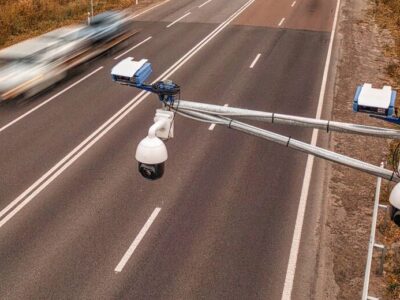
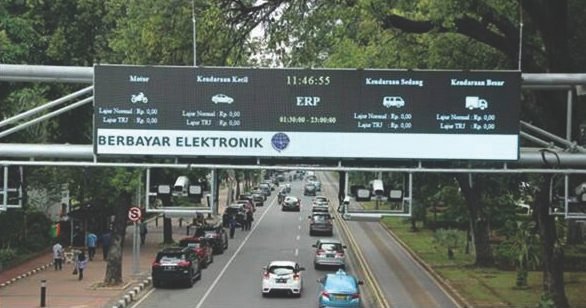
The accompanying collage presents three aspects of the ecosystem. The first image shows a live MLFF gantry equipped with ANPR and RFID subsystems over a multi-lane carriageway. The ANPR system also supports violation detection such as non-usage of seat belts, mobile phone usage while driving and absence of helmets for two-wheeler riders, and triple riding. The second image displays the home screen of the MLFF back- office software, consolidating transaction streams, alerts, and reconciliation dashboards. The third image features a satisfactory acceptance certificate issued by an Indonesian client, reflecting performance validated under defined contractual Benchmarks.

At the central layer, the back-office platform manages operational scale and financial complexity. It enables financial reconciliation among concessionaires, authorities, financial institutions, and other stakeholders by mapping each validated transaction to revenue entitlements and settlement cycles with complete audit trails. Vehicular and financial transaction inputs are cross checked against independent LIDAR and RADAR feeds, enabling automated detection of discrepancies between physical counts and billed events.
“As MLFF adoption expands across India, the emphasis is increasingly on transactional integrity, stakeholder transparency, and scalable compliance.” – Neetu Kishore
Enforcement capability is built into the same architecture. The system can generate challans for errant commuters based on synchronized imagery and sensor records, while supporting manual audit workflows wherever exceptions arise or oversight is mandated. Integration with third party stakeholders enables retrieval of vehicle registration data linked to number plates and verification of parameters such as pollution certificate status, in line with project requirements.
The Indonesian client’s acceptance certification did demonstrate field validated performance across hardware, transaction creation logic, reconciliation processes, and enforcement workflows.
Operating conditions in India are seldom uniform. Non-standard or partially obscured number plates, poor quality or multiple RFID tags on a single vehicle, absence of tags, and vehicle body modifications that affect axle or class detection introduce practical complexities. Addressing these realities requires a collaborative approach aligned with concessionaires, financial institutions, and Government authorities to establish operating protocols and enforcement frameworks that are both technically robust and institutionally acceptable. As MLFF adoption expands across India, the emphasis is increasingly on transactional integrity, stakeholder transparency, and scalable compliance.
Architectures combining edge intelligence, multi-sensor fusion, auditable financial controls, and external system integration are positioned to shape the next phase of tolling modernization.