
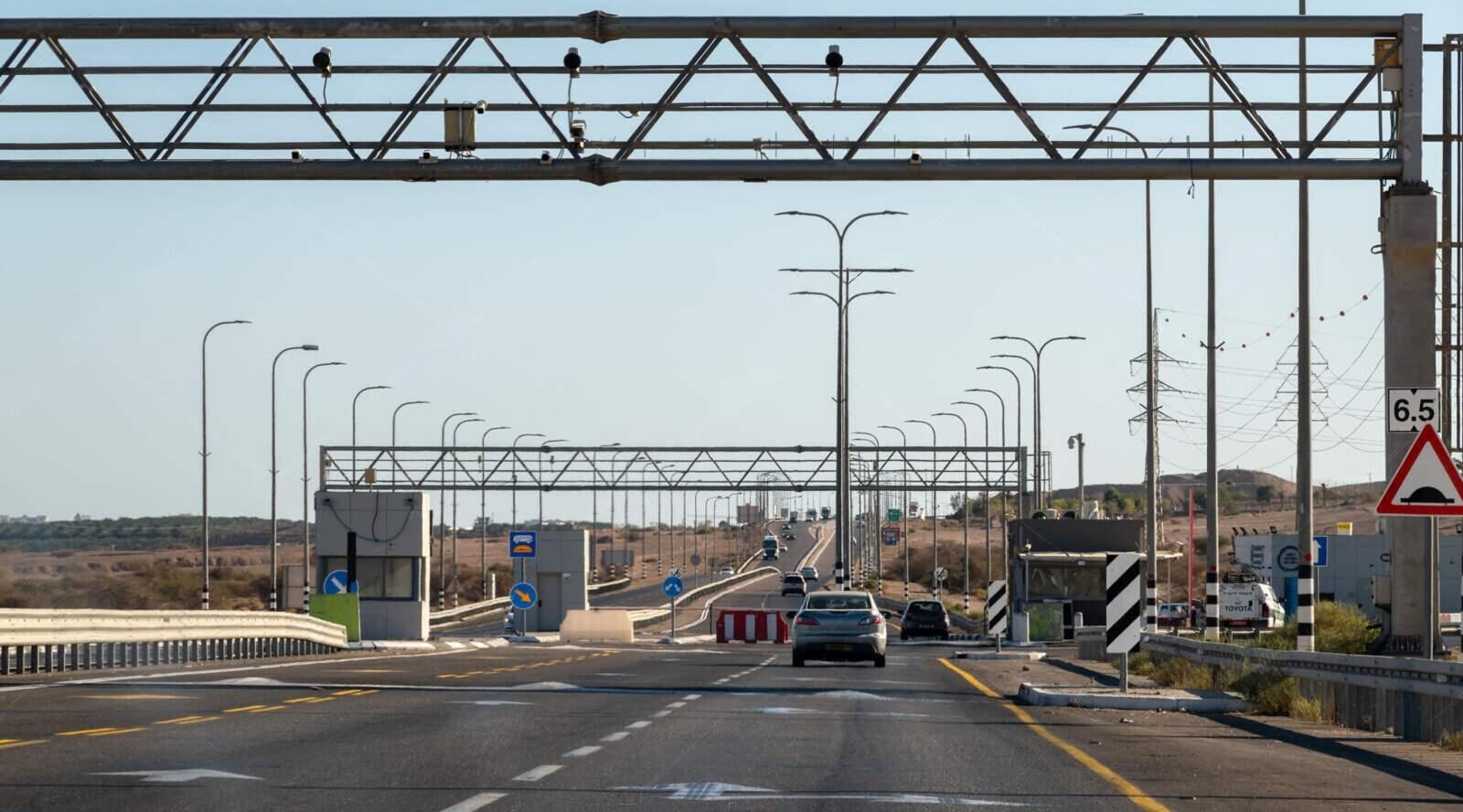
As India transitions toward barrier-less tolling, Multi-Lane Free Flow (MLFF) systems are redefining how highways operate. Vivek Yadav & Ajay Lal Malik, Directors, Rocket Science Technologies, share insights on building reliable sensing infrastructure for the next phase of corridor intelligence.
Is MLFF simply about removing toll booths?
Removing the toll booth is only the visible part. The real shift is from physical validation to digital validation. In MLFF, vehicles move uninterrupted at highway speeds while sensing systems detect, classify, and validate transactions in real time. The infrastructure no longer depends on barriers. It depends on precision sensing. That’s a structural change in how highways function.

What makes high-speed MLFF technically challenging?
High-speed, multi-lane traffic leaves very little room for error. Vehicles change lanes, speeds vary, and environmental conditions fluctuate. No single sensing method can guarantee reliability in every situation. That is why layered sensing is critical.
Specially for MLFF projects we have two product offerings – AgniBaan (3D LiDAR) & RS4D080 (true 4D Radar). In addition to these two products, the other important components are RFID Readers for high speed tracking of Fast Tags on vehicles and High-resolution global shutter enabled ANPR cameras with advanced analytics for visual validation.
Our AgniBaan 3D LiDAR systems capture detailed vehicle attributes: length, width, height profile, axle count, and even differentiation between single and dual tyre configurations. Rocket’s next-generation 3D LiDAR sensor is engineered for high-speed road corridors, smart cities and perfect fit for Multi-Lane Free Flow use.
With its revolutionary 360° horizontal scanning and 300m range, a single AgniBaan Ultra unit monitors up to 4 lanes simultaneously, accurately detecting vehicle height even when vehicles run in parallel.
Combining advanced Time-of-Flight technology, precise optics, and robust multi-echo capabilities, it delivers reliable performance in all conditions: rain, fog, snow, or shine. The sensor provides ready-to-deploy intelligence with an inbuilt classification engine, eliminating coding hassles for system integrators while working in tandem with 4 cameras to deliver precise axle counting for revenue-accurate tolling operations, an absolute essential for MLFF use.
RS4D080 Radar from Rocket Science is a high-performance true 4D (provides x, y & z Cartesians) vehicle speed detection radar engineered for advanced traffic management systems on highways and expressways. This multi-dimensional radar uses advanced algorithms to detect far and near digital waveforms and simultaneously tracks up to 256 objects across 8 directional and/or bi-directional lanes.
The radar is deployed by traffic enforcement agencies, toll management operators, and smart city authorities to monitor vehicle speeds, integrate with ANPR systems, and enhance overall road safety. The RS4D080 delivers exceptional value through NATRAX certification at 99.04% accuracy, seamless plug-and-play integration with RST’s VASD LED displays, and robust all-weather performance that makes it the ideal choice for modern ITS deployments.
Cameras with AI based ANPR software supports number plate recognition and provide visual records for verification. When these systems operate as a unified sensing layer, classification becomes structured and defensible.

What differentiates your approach from standard deployments?
Many systems combine components from different sources and attempt integration later. Our approach is different. We align hardware capability and fusion logic from the beginning. The 3D LiDAR output, radar tracking data, and ANPR inputs are calibrated to work cohesively. This reduces ambiguity — especially in dense, multi-lane Indian traffic conditions.
How does MLFF infrastructure contribute beyond toll collection?
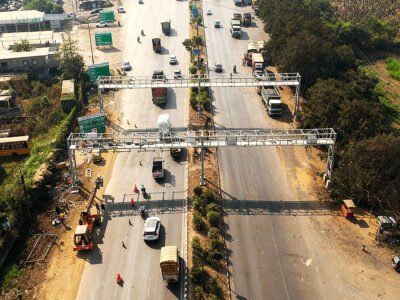
Once deployed, MLFF gantries become structured data nodes across the corridor. When integrated with Advanced Traffic Management Systems (ATMS), they support Traffic flow analysis; Vehicle class distribution data; Axle and overloading compliance insights; Lane discipline monitoring; Early detection of abnormal patterns and Verified inputs for enforcement agencies.
This benefits highway operators, traffic authorities, and police departments. The gantry evolves from a tolling point into an intelligence layer that supports safety, compliance, and corridor governance.
What is the larger vision behind this transition?
The larger vision is measurable infrastructure. Highways are national assets. As they expand, they must also become accountable and data-driven. MLFF is one step in that direction. It introduces structured sensing into the corridor. Over time, that sensing layer can support safety policy, traffic planning, and operational transparency. For countries investing heavily in road infrastructure, the question is no longer just “how many kilometers are built?” It is also “how intelligently are they managed?”
What is your outlook for the future?
Highways will appear simpler to users, fewer visible interruptions but they will operate with far greater intelligence behind the scenes. Sensing systems will continuously measure movement patterns and support operational decisions.
Infrastructure is no longer passive. It is becoming measurable and accountable. That is the direction in which mobility is moving. And Rocket Science Technologies is aligned with the national interest to support safety for each road user and ensuring compliance to driving norms as set by the governments.