
State-of-the-Art or Fit-for-Purpose
Adopting state-of-the-art techniques just for personal vanity or CV building is likely to backfire in developing economies like India. India has quite different baseline conditions from western cities, more than simple quantitative differences in income levels and a different vehicle mix. Such differences must be borne in mind when determining ways to analyse the transport patterns for new transport infrastructure and policies, writes Richard Di Bona.
Urban transport tax in the offing
The central government is planning to introduce a one-time urban transport tax on private vehicles in an effort to encourage use of... Read More

TrafficInfraTech Expo 2012 Successful Eventful Bountiful
TrafficInfraTech Expo 2012 in Mumbai lived up to the industry’s expectations from it. Ministries, government officers from various State Authorities & PWDs,... Read More

DIMTS and Delhi Government bag award
The Delhi Government and Delhi were awarded the ‘Best PPP initiative in Urban Transport’ award for the project ‘Corporatisation of Private Stage... Read More

Public Transport : The smart green solution
Public Transport : The smart green solution The International Association of Public Transport (UITP) unveiled its vision for urban transport in 2025... Read More
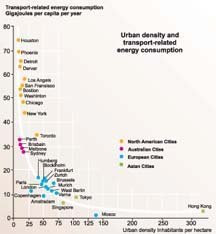
Urban Transport Energy Consumption:Determinants and Strategies for its Reduction
The adoption of faster modes of transport has changed profoundly the spatial organisation of cities. The increase in average speed of a city's transport system calls for more space. The result is urban sprawl and reduced density. Dominant transport modes are, therefore, the determinants of urban structures. The increase in distance covered due to increased speed of travel and urban sprawl leads to an increase in energy consumption.