
At TrafficInfraTech Expo, it was visible that traffic management in India is evolving fast. Trafficinfratech spoke with Rahul Bhardwaj, CGO, Intozi, to get his perspective on where the traffic management is headed and what the country needs next.
We have new infrastructure coming up, but we still see uneven roads, potholes and unmanaged barriers…
India is building national highways at a very strong pace, but maintaining these highways remains a challenge. We have good highways, but potholes still appear without warning. People are not following discipline and are over speeding on these highways. All of this adds to the rising number of accidents. If you notice, whenever a new highway opens, you soon hear news of some incident. So it works both ways; from infrastructure and the people.
We should jointly contribute together towards the developed nation, so that we can go at a faster pace. The world no longer sees us as a third-world country; we are now competing with China. We are progressing well, and I believe we will reach that level soon.

What do you see as the biggest gaps India needs to address right now?
From a safety point of view, the government has a lot of policies. Whether it is a national highway or a city road, certain policies are always in place and implemented. However, the agencies should monitor the policy implementation at a very strict level.
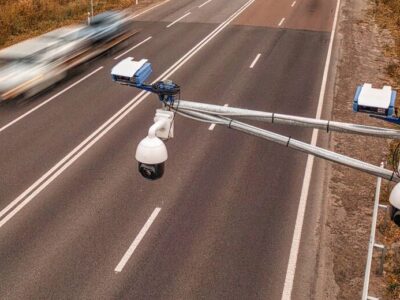
Also, I would like to add that many highways and roads come with certain restrictions that must be followed. For example, two-wheelers are not allowed on some highways. While there are cameras installed, there should also be AI technology behind them that can proactively provide results before any incident occurs.
“It is common that when you see a speed camera, you tend to slow down. And as soon as you move forward, you will increase the speed. That is the major factor we have to focus on: How do we change the mindset of our road users?” – Rahul Bhardwaj
For instance, if a two-wheeler enters a Delhi-Mumbai Highway, the system should alert the agencies. This level of AI implementation is something we are already deploying on many highways.
So AI is already being used to enhance safety systems…
At present, it is limited, maybe due to some connectivity and infrastructure challenges. But yes, going forward, if you look at all the newly constructed highways, we have implemented core AI technology; which includes 16 different enforcement and 16 different vehicle classes that we are providing to the toll agencies and highway authorities.
How does this system function?
One talks about sending the alert from the highway to the control room; it is in milliseconds. After that, there is a manual dependency. They have to take action on it. For example, if they get an alert, they need to figure out how to stop that “wrong way” vehicle and prevent accidents. If a car suddenly breaks down in a tunnel, we can send an alert so that someone can respond and help immediately. Because, as a technology company, we can provide AI-based alerts and other proactive information.